
Your Gut Controls More Than Digestion
The foundation of immunity, metabolism, and overall wellbeing
Your gut is home to trillions of microorganisms that influence far more than how you digest food. When your gut microbiome is balanced, it supports nutrient absorption, immune defense, hormone regulation, and even mental clarity. However, modern lifestyles—high stress, poor diet, antibiotics, and lack of sleep—can disrupt this delicate balance. When the gut is compromised, the effects ripple throughout the body, often appearing as symptoms that seem unrelated at first.
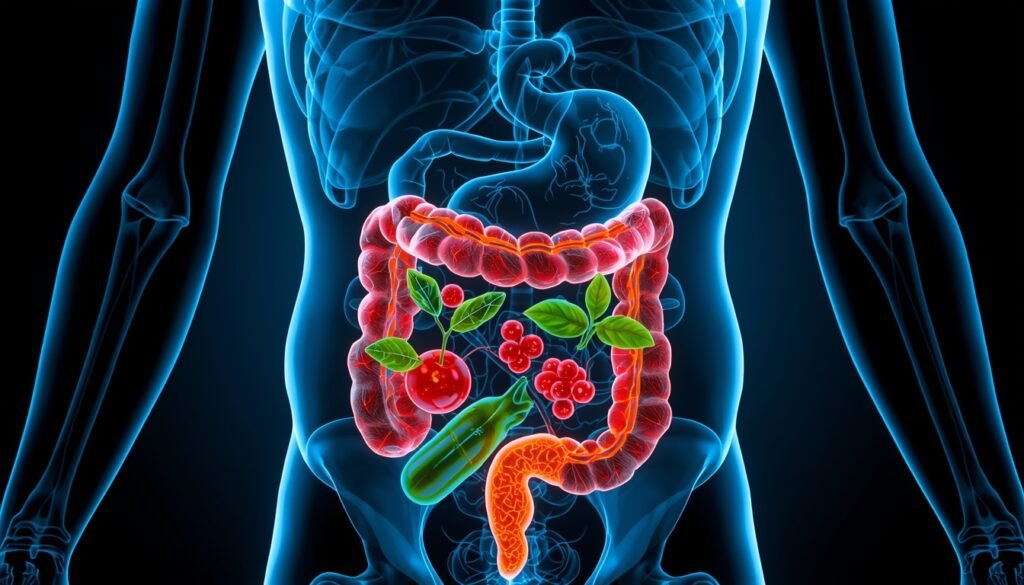
Common Signs of Gut Health Imbalance.
Digestive discomfort is only one part of the picture. Many people experience persistent bloating, irregular bowel movements, frequent gas, food sensitivities, fatigue, poor skin health, brain fog, or weakened immunity. Because these symptoms develop gradually, gut imbalance often goes unnoticed until it starts affecting daily energy levels and quality of life.
Heal the Gut, Restore Whole-Body Balance
Supporting gut health helps restore digestion, strengthen immunity, improve energy levels, and promote overall wellbeing. When the gut is balanced, the body is better equipped to function optimally from the inside out.